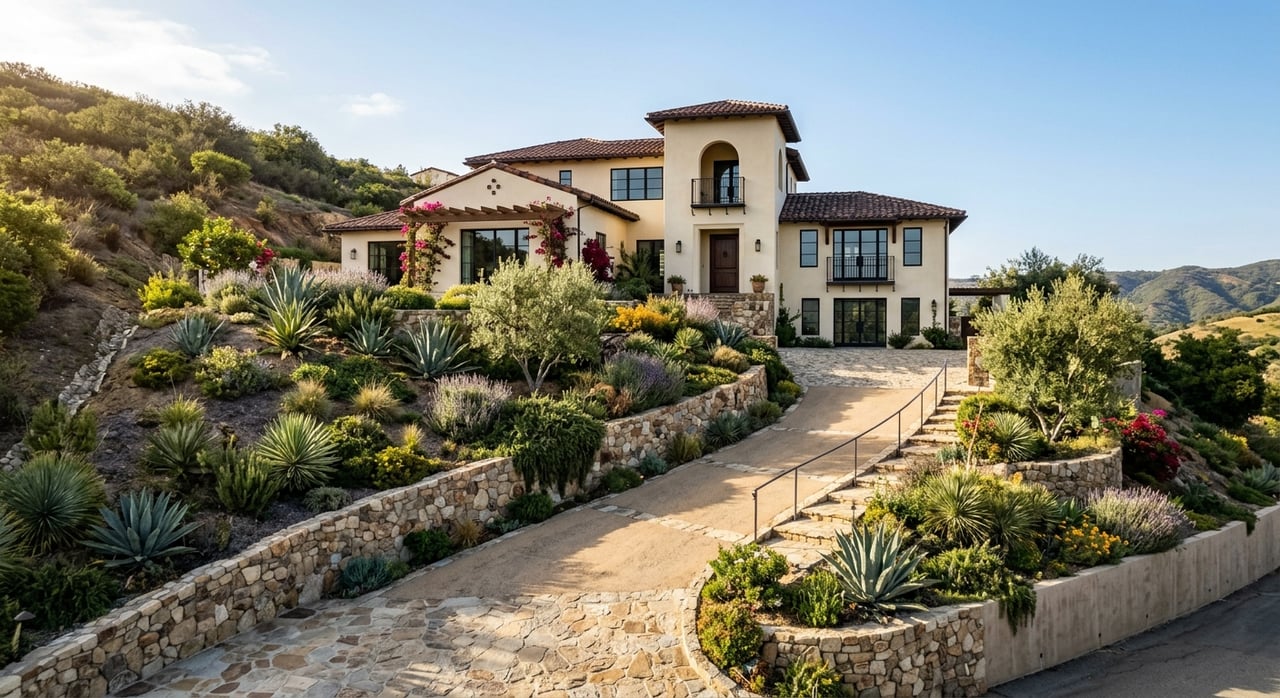
If you picture the Hollywood Hills as all glamour and sweeping views, you are only getting part of the story. Daily life here can feel scenic, tucked away, and surprisingly close to the center of Los Angeles all at once. If you are thinking about buying in the area, it helps to understand how the hills shape your routine, from the roads you drive to the upkeep your property needs. Let’s dive in.
Views Shape Everyday Life
One of the biggest reasons people are drawn to the Hollywood Hills is the setting itself. Planning materials for historic hillside areas describe a bucolic environment with panoramic views, stairways, retaining walls, and homes built into the land rather than spread across a flat grid. That topography gives the neighborhood a distinct identity and helps explain why the area feels so different from many other parts of Los Angeles.
In practical terms, your day often starts and ends with elevation. You may leave home on a winding street, pass hillside turns and sloped lots, and take in city views that stretch for miles. The steep terrain around the Hollywood Sign is part of what makes the area so visually iconic.
Streets Feel More Vertical
Hollywood Hills is not a neighborhood that moves in straight lines. In many hillside sections, streets follow the natural contours of the foothills, and lots can be irregular in shape and slope. That means day-to-day movement may involve stairs, grades, and curving roads instead of a simple walk down a flat block.
The City of Los Angeles also describes hillside streets as narrow, winding residential roads. Some street types in hillside areas are designed for low speeds, around 10 to 15 mph, and may allow parking on only one side. For many residents, that makes driving the default and careful navigation part of everyday life.
Driving Takes More Planning
Living in the hills often means you think ahead before you leave. A quick errand can involve narrow turns, limited pull-over space, and slower travel than the distance alone might suggest. This is not necessarily a drawback, but it does create a different rhythm from flatter neighborhoods.
If you are someone who values easy, highly walkable daily routines, that is worth keeping in mind. If you prefer privacy, scenic drives, and a more tucked-away residential feel, the tradeoff may be well worth it.
Parking Is Part Of The Routine
Parking is one of the most important practical realities in the Hollywood Hills. In some hillside areas, resident concerns about nonresident parking led LADOT to establish or expand preferential parking districts tied to tourist activity, nearby businesses, and major venues like the Hollywood Bowl. That tells you something important: curb space here is often managed closely, not treated as open, easy neighborhood parking.
For residents, this can mean permit rules, posted limits, and more attention to where guests will park. It can also affect how you think about a home’s driveway, garage access, and overall site layout. In the hills, parking is not just a convenience issue. It is part of the livability equation.
Visitor Traffic Can Affect Certain Blocks
Some parts of the Hollywood Hills feel especially private, while others are more exposed to visitor traffic. The same scenic roads and hillside viewpoints that create the area’s appeal also attract sightseers, hikers, and tour activity, especially near the Hollywood Sign and other well-known spots.
The city has repeatedly addressed parking and access concerns in places like Hollywood Dell, Hollywood Heights, Beachwood Canyon, and Lake Hollywood. A 2023 City Council motion also noted that narrow, winding streets in several Hollywood Hills areas are not suitable for large vehicles. So while some streets feel quiet and hidden, others may have a more public-facing rhythm.
Privacy And Access Exist Together
A lot of buyers are drawn to the Hollywood Hills for a sense of retreat. Elevation, landscaping, gates, and lower-density lots can create a more secluded feel than you may find in busier flatland neighborhoods. That privacy is real, but it does not mean total separation from city activity.
In fact, one of the defining features of the area is how close it sits to major destinations. The Hollywood Community Plan notes that the Hollywood & Highland area is one of the city’s most visited destinations, and Theatre Row supports regular evening performances. For you, that can mean restaurants, nightlife, and entertainment are a short drive away instead of a major cross-town trip.
Event Nights Change The Tempo
That same access comes with tradeoffs. On evenings, weekends, and during peak visitor seasons, major attractions can affect the wider area’s flow. The Hollywood Bowl and nearby park destinations can bring added congestion, noise, and parking turnover that you might not expect from a hillside residential setting.
This is one reason the Hollywood Hills feels less like one single neighborhood and more like a collection of hillside enclaves. Some pockets feel calm and insulated most of the time. Others feel more connected to the energy of Hollywood below.
Homes Have Character And Constraints
The housing stock in the Hollywood Hills is one of its biggest draws. According to SurveyLA’s Hollywood area survey, hillside districts include Period Revival architecture, while historic Hollywoodland originally emphasized styles such as French Norman and English Tudor. The area also includes later modern homes, including notable Mid-Century Modern examples built on steep lots.
That mix gives the neighborhood a more custom, design-forward feel than standard tract housing. If you love architecture, the Hollywood Hills offers a wide range of homes shaped by both era and terrain. It is one of the reasons the area feels visually layered and unique.
Site Design Matters More Here
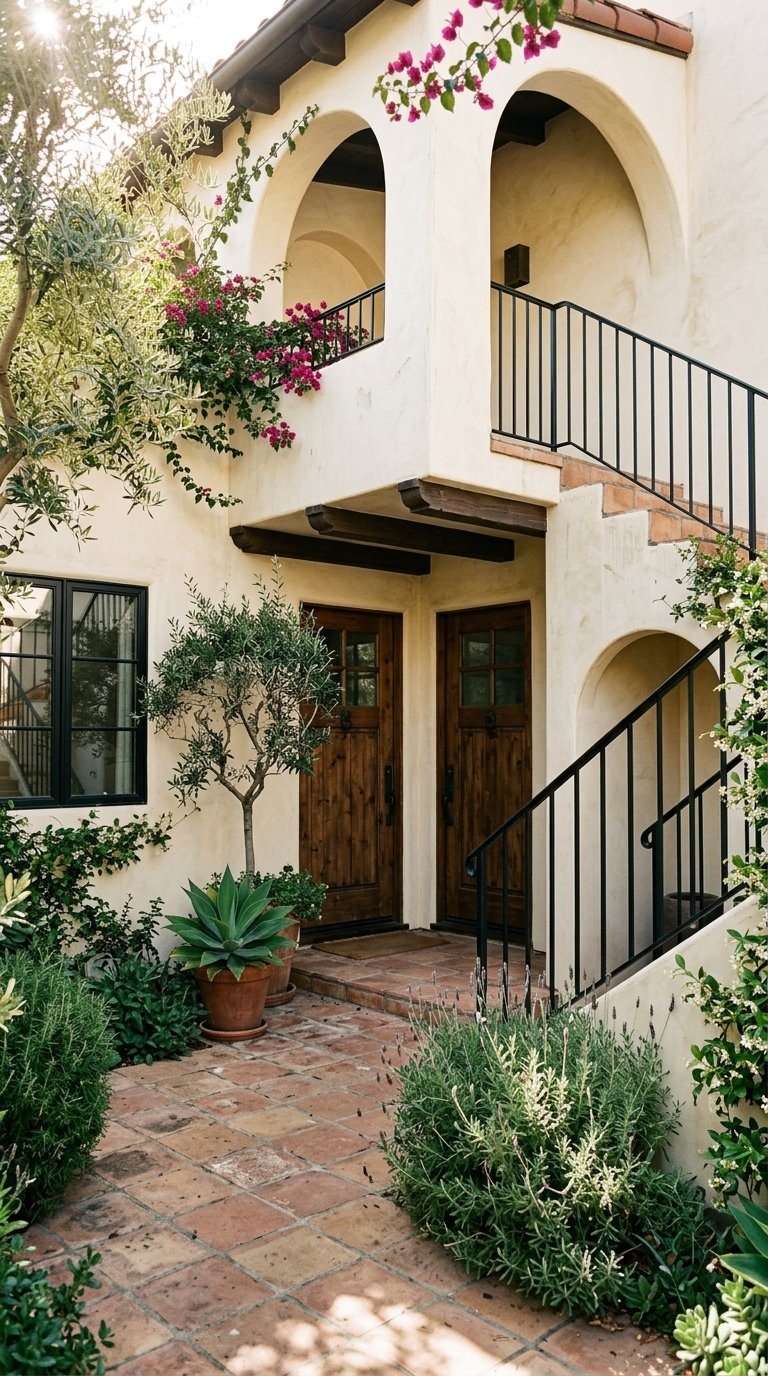
Hillside homes often come with very specific physical traits. Planning materials describe steep lots, detached garages, retaining walls, stairways, irregular parcels, and sidewalks that may not include parkways in some historic areas. These details affect how a property functions every day.
Before buying, it helps to pay close attention to things like driveway access, the number of stairs from street level, and how easily guests can reach the front door. In the hills, the lot is not just the backdrop. It is part of the living experience.
Upkeep Includes Fire Preparedness
In the Hollywood Hills, property maintenance is not only about curb appeal. City planning materials note that hillside areas include Fire Brush Clearance Zones and Very High Fire Hazard Severity Zones, and the Los Angeles Fire Department states that brush clearance is a year-round responsibility for homeowners.
That means vegetation management, defensible space, and attention to hillside access are part of normal ownership. This is best thought of as a routine part of living in the area, not just something to consider during wildfire headlines. If you are evaluating a home, this should be part of your practical checklist.
Griffith Park Is Part Of The Lifestyle
Hollywood Hills living also means being close to one of Los Angeles’ best-known open spaces. The neighborhood’s location near Griffith Park gives residents relatively easy access to trails, scenic overlooks, and recreation. That outdoor connection is a major part of the area’s appeal.
Combined with the hillside setting, it creates a lifestyle that can feel both residential and connected to nature. You are still in Los Angeles, but the terrain changes how the city feels around you. That contrast is part of what makes the Hollywood Hills so distinctive.
What Daily Life Really Feels Like
So what does day-to-day life in the Hollywood Hills actually feel like? In the simplest terms, it feels scenic, residential, and a little more hands-on than life in a flatter neighborhood. You trade easy grids and simple parking for winding streets, dramatic views, architectural character, and close access to both Hollywood activity and outdoor space.
For the right buyer, that combination is exactly the appeal. If you value privacy, design, and a setting that feels set apart without being far away, the Hollywood Hills offers a lifestyle that is hard to replicate elsewhere in Los Angeles.
If you are exploring homes in the Hollywood Hills or comparing LA neighborhoods with a more tailored lens, working with a knowledgeable local advisor can help you understand not just the listing, but the day-to-day reality behind it. To talk through your options with a thoughtful, client-first approach, connect with Kati Cattaneo.
FAQs
What is daily driving like in the Hollywood Hills?
- Daily driving in the Hollywood Hills often means navigating narrow, winding residential roads with slower speeds, limited passing room, and more planning than in flatter neighborhoods.
What is parking like for Hollywood Hills residents?
- Parking can be tightly managed in some areas, with resident permit rules, time limits, and added pressure from visitors, tourists, nearby businesses, and event traffic.
What kind of homes are common in the Hollywood Hills?
- The area includes a varied mix of homes, including Period Revival styles, historic Hollywoodland architecture, and later modern residences built on steep or irregular lots.
What upkeep should homeowners expect in the Hollywood Hills?
- Homeowners should expect routine hillside-related upkeep such as managing stairs, drive access, retaining walls, site drainage, and year-round brush clearance for fire preparedness.
What makes Hollywood Hills different from other Los Angeles neighborhoods?
- Hollywood Hills stands out for its elevated setting, panoramic views, winding streets, architectural variety, proximity to Griffith Park, and close access to Hollywood entertainment and nightlife.