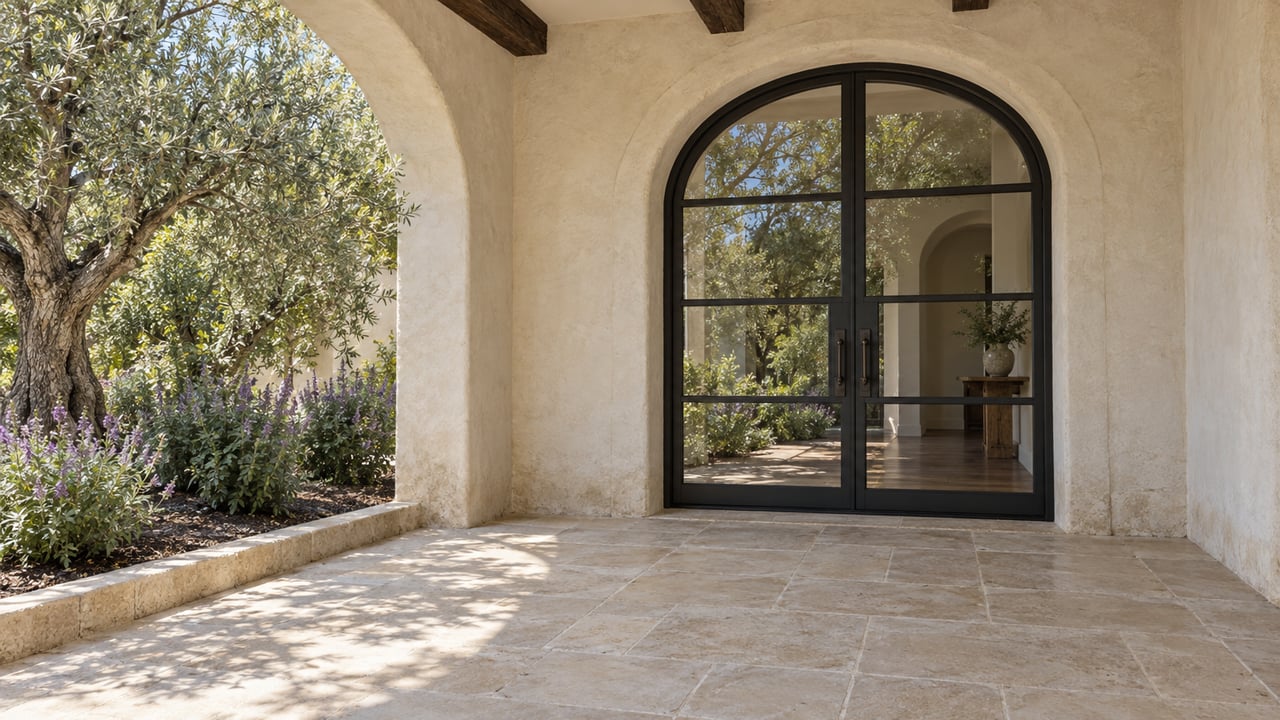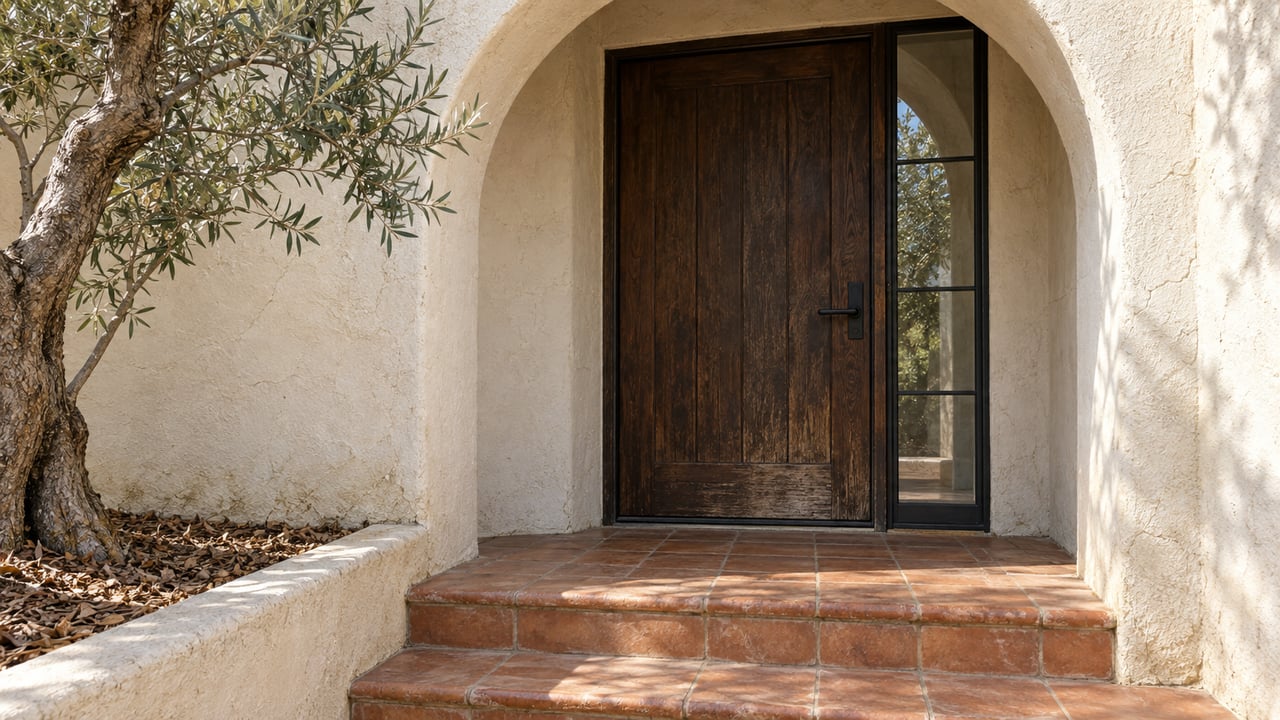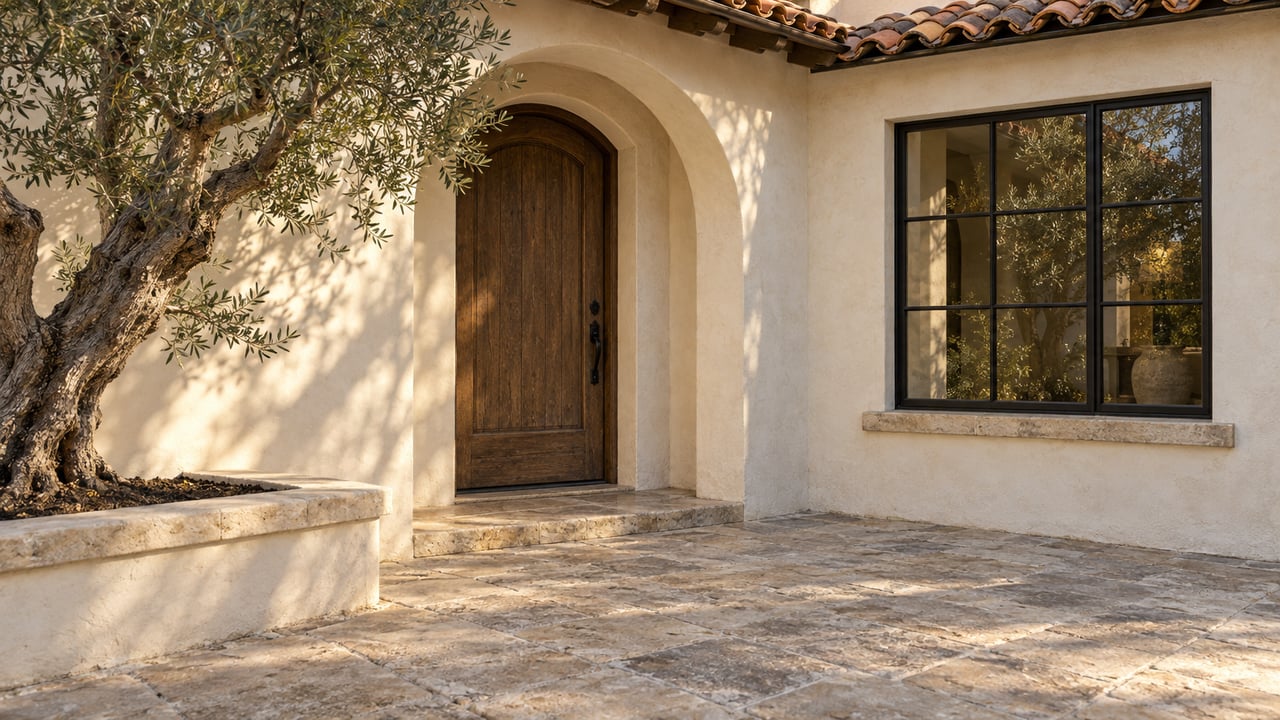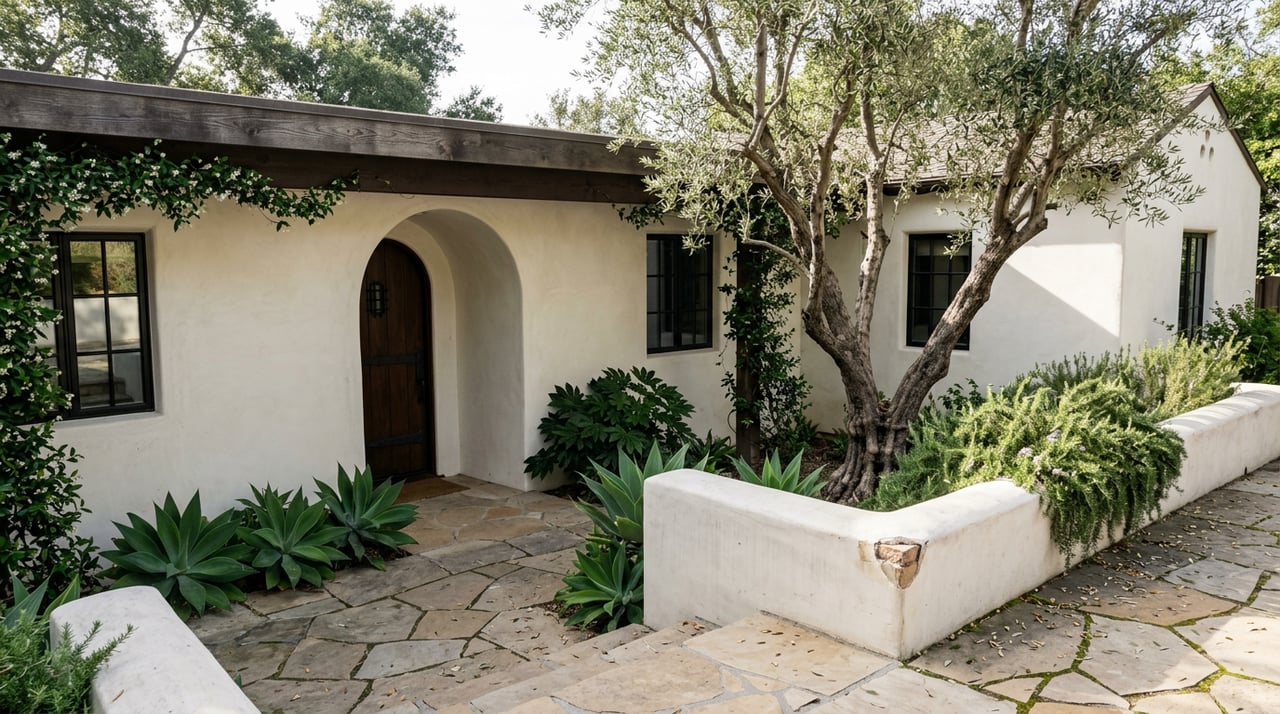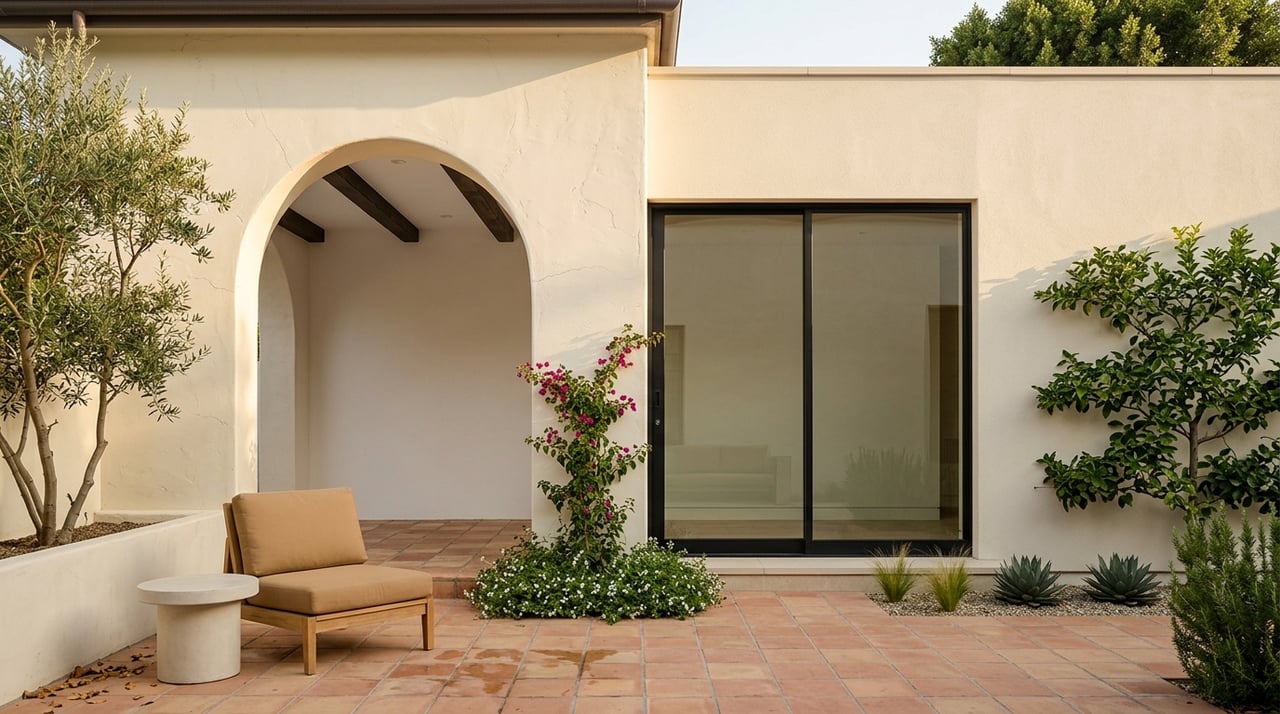
If you are weighing a newer build against a classic home in Pacific Palisades, you are not alone. It is one of the biggest questions buyers ask in this market, especially when both options can carry a premium price and a very different day-to-day living experience. The good news is that the choice is usually less about old versus new and more about what you value most in lot, layout, architecture, and long-term fit. Let’s dive in.
Pacific Palisades Market Snapshot
Pacific Palisades remains a high-end, mostly single-family home market with pricing that reflects its coastal location and limited inventory. In spring 2026, reported median pricing ranged from about $3.0 million to $3.7 million depending on the data source, with homes averaging around 64 days on market and a sale-to-list ratio near 96%.
That combination points to a balanced market, not a market where buyers should expect steep discounts. You may have meaningful choices, but well-positioned homes can still move with confidence, especially when condition, lot, and location line up.
Wildfire recovery is also shaping today’s inventory. The City of Los Angeles has a dedicated Palisades Rebuild Permit Center, and local recovery efforts include pre-approved standard plans and a self-certification pilot for some rebuilds. Over the next several years, that likely means more rebuilt and newly constructed homes will enter the market than in a typical cycle.
What Counts as a Classic Home
In Pacific Palisades, a classic home is not just one style or one era. The area saw major development waves in the 1920s, the 1950s, and later infill from the 1980s forward, so older homes can range from early cottages to ranch houses to architecturally significant Mid-Century and Early Modern properties.
The neighborhood’s architectural history is part of what makes the decision so interesting. Historic surveys point to Period Revival, Ranch, Early Modern, Mid-Century Modern, and Case Study House-era influences, with notable architects represented in the area’s historic record.
That means a classic home may offer something you cannot easily replicate in new construction. It could be original proportions, mature landscaping, a strong connection to the street, or an architectural style that feels rooted in the tract where it sits.
Why Lot Size Matters So Much
One of the biggest mistakes buyers make is comparing homes by age alone. In Pacific Palisades, lot pattern and tract design can have as much impact on value and livability as the house itself.
Some areas were planned with smaller lots and narrower streets, while others were laid out with larger, more irregular parcels and wider roads. Huntington Palisades, for example, was designed with view-oriented curving drives, while The Riviera includes generously sized lots, some over an acre. Uplifters, by contrast, includes more modest lots, many under half an acre.
This is why a smaller classic home on a strong lot can be just as compelling as a newer property with more square footage. In many cases, the land, siting, and neighborhood context carry as much weight as the finish level inside.
What Newer Builds Usually Offer
Newer homes in Pacific Palisades tend to appeal to buyers who want a more turnkey experience. They often offer larger floor plans, updated systems, and design choices that align with current luxury expectations.
In today’s market, new-construction listings are heavily concentrated at the high end. Current examples include homes around 4,000 square feet priced near $7 million, along with large estates in the Riviera, Lower Riviera, and Huntington Palisades approaching or exceeding $19 million.
That tells you something important about the local inventory. In Pacific Palisades, new builds are often not modest replacements. They are frequently large custom or spec-style luxury homes with an extensive amenity package and a strong emphasis on scale.
What Classics Often Do Better
Classic homes tend to stand out for character, landscaping, and neighborhood fit. In tracts where the original streetscape and architectural language still matter, an older home can feel more natural in its setting than a larger replacement home.
A renovated classic can also compete very well on value when the lot and location are strong. One current Huntington Palisades listing, a 1951 traditional on Ocampo Drive, was listed at $5.9 million after recent remodeling and renovation, showing how a smaller, highly improved home can still command a steep premium.
For many buyers, this is the real draw. You may give up some square footage or a brand-new finish package, but you gain charm, scale that feels more tailored to the lot, and a design story that may be hard to reproduce.
Newer Builds vs Classics by Lifestyle
The better choice often comes down to how you want to live.
If you want simplicity, a newer build may feel easier from day one. You are more likely to find current-code construction, larger open interiors, and a home that needs less immediate updating.
If you care more about architecture and setting, a classic may be the better fit. You may find richer detailing, more established outdoor space, and a house that feels more connected to the original fabric of Pacific Palisades.
Here is a simple way to think about it:
- Choose newer if you prioritize turnkey living, larger scale, and newer systems.
- Choose classic if you prioritize character, mature landscaping, and architectural identity.
- Choose based on lot first if view potential, privacy, or future flexibility are central to your goals.
How Rebuilds Change the Conversation
Wildfire recovery has made the newer-versus-classic question more nuanced. Some homes coming to market will be fully rebuilt or newly constructed under updated pathways, while others will be preserved, repaired, or extensively renovated.
The City of Los Angeles has created expedited options for some projects, but not every parcel is treated the same. Geologically sensitive hillside lots do not qualify for all faster-track options, and bluff-adjacent properties may face extra review and setback constraints.
This matters if you are trying to evaluate a property’s long-term ease and flexibility. A newer or rebuilt home may look straightforward at first glance, but site conditions and local review can still shape what ownership or future changes look like.
Are Newer Homes Safer Bets?
Some buyers do see newer, code-forward homes as easier to assess, especially in an area that has been in a Very High Fire Hazard Severity Zone since 1999. That said, newer does not automatically mean simple.
In Pacific Palisades, the parcel itself still matters. Hillside conditions, bluff proximity, and local permitting constraints can affect what is possible on a property, whether the house is brand new or decades old.
A smart comparison looks beyond the year built. You want to understand the lot, the tract, the setting, and any review factors that could affect future plans.
Which Type Holds Value Better?
The strongest general rule in Pacific Palisades is that land and location matter more than age alone. Larger lots, view corridors, and strong architectural identity have historically supported both classic estates and high-end new construction.
That is especially true in areas such as Huntington Palisades and The Riviera, where lot quality and neighborhood identity are major parts of the value story. In smaller-lot or more rustic pockets, thoughtful renovation and preservation may make more sense than an oversized replacement.
So if you are asking which has more upside, the answer is usually not “newer” or “older.” The better question is whether the property has the right combination of location, lot quality, architecture, and condition for your goals.
What Buyers Should Compare Side by Side
When you tour newer builds and classics in Pacific Palisades, compare them using the same framework. That helps you avoid getting distracted by staging, finishes, or sheer square footage.
Focus on these points:
- Lot quality: size, shape, topography, and how the home sits on the parcel
- Location within the tract: street pattern, views, access, and neighborhood context
- Architecture: whether the home feels authentic to its setting or more generic
- Condition: level of renovation, systems, and likely near-term costs
- Scale: whether the home size feels balanced for the lot and surrounding homes
- Long-term flexibility: any site constraints tied to hillside, bluff, or local review issues
This approach usually leads to a more confident decision. It shifts the focus from age as a headline and puts attention where long-term value often lives.
The Bottom Line for Pacific Palisades Buyers
In Pacific Palisades, the best home is rarely the one that is simply newest or oldest. It is the one that gives you the right mix of location, lot, design, condition, and future usability.
A newer build may deliver ease, scale, and a polished move-in-ready experience. A classic may offer warmth, architectural depth, and a stronger sense of place. In a market this nuanced, the winning choice is usually the home that aligns with how you want to live and how the property fits into its specific tract.
If you are comparing options in Pacific Palisades, a local, property-by-property analysis can make all the difference. For tailored guidance on buying, selling, valuations, or off-market opportunities, connect with Kati Cattaneo.
FAQs
What is the difference between a newer build and a classic home in Pacific Palisades?
- A newer build usually offers larger floor plans, updated systems, and turnkey convenience, while a classic home often offers more architectural character, mature landscaping, and a stronger connection to the original neighborhood setting.
Are new construction homes common in Pacific Palisades?
- New-construction inventory exists, but current listings suggest it is concentrated at the high end, with many homes positioned as large custom or spec-style luxury properties rather than modest infill homes.
Do classic homes in Pacific Palisades still hold value?
- Yes. Research and current listings suggest that renovated classics can compete strongly, especially when they sit on desirable lots in prime tracts and have been thoughtfully improved.
Is Pacific Palisades a buyer’s or seller’s market right now?
- Recent reporting has described Pacific Palisades as a balanced market, which means buyers may have meaningful choice, but well-priced homes are not typically seeing deep discounting.
Are rebuilt homes easier to buy after the fires in Pacific Palisades?
- Some rebuilt homes may feel easier to evaluate because they reflect newer construction standards, but local factors such as hillside conditions, bluff setbacks, and permitting pathways still matter.
What matters most for long-term value in Pacific Palisades homes?
- The research points to land and location as the most important factors, especially lot size, view potential, architectural identity, and the home’s fit within its tract.