Love the look of Silver Lake homes but not sure how to tell a Spanish Revival charmer from a Mid‑Century gem? You are not alone. In a neighborhood known for design and hillsides, recognizing style cues and renovation trade-offs helps you focus fast and avoid surprises. This quick guide shows you what to look for, how layouts typically live, and what upgrades to plan so you can tour with confidence. Let’s dive in.
Silver Lake essentials
Silver Lake blends early 20th-century houses, postwar modernism, and contemporary architect builds. The hills, canyons, and reservoir edges create view homes, split levels, and terraced yards that shape access, drainage, and day-to-day living.
Before changing a facade or adding on, confirm whether a property is inside a local Historic Preservation Overlay Zone with the City of Los Angeles Office of Historic Resources. For structural work, re-roofing, window changes, and additions, permits run through the Department of Building and Safety. Many hillside homes also require geotechnical reports and special grading and drainage approvals.
Buyers here often prioritize original details, indoor-outdoor flow, natural light, and walkability. Keep those goals in mind as you weigh style, layout, and renovation scope.
Spanish Revival: how to spot and live in it
Key visual cues
- Stucco walls and red clay tile roofs with low-pitched gables
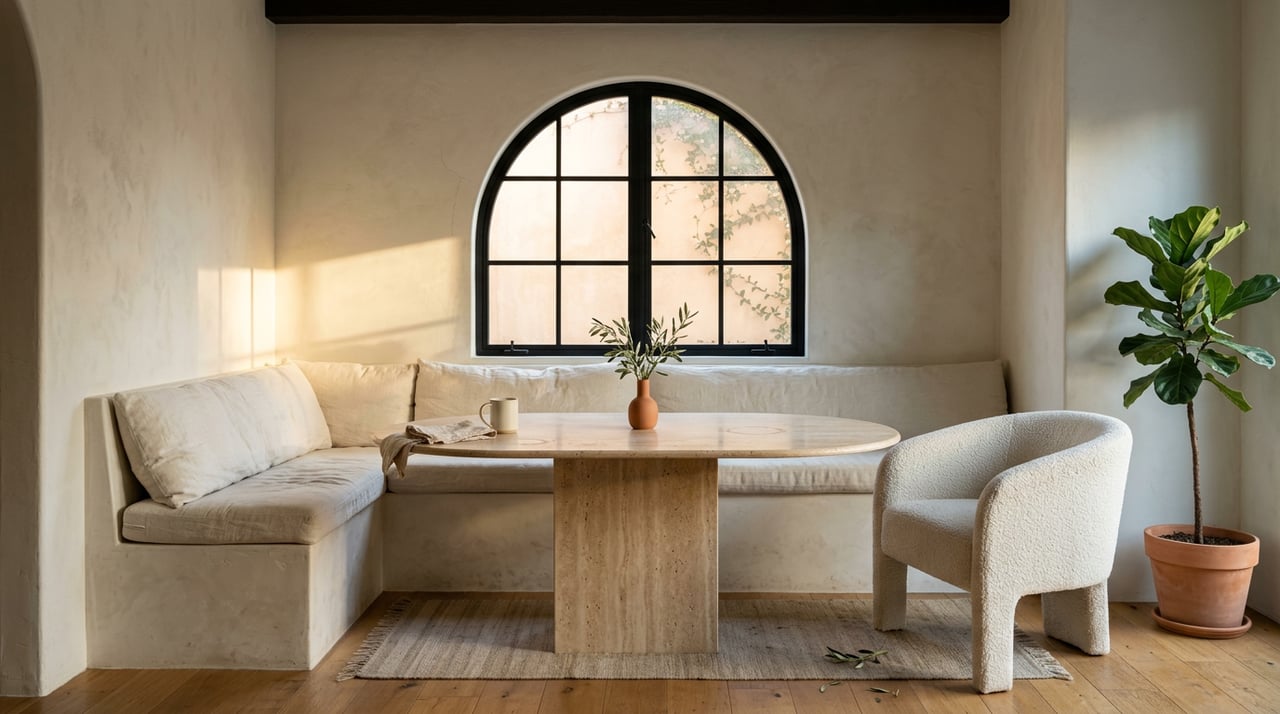
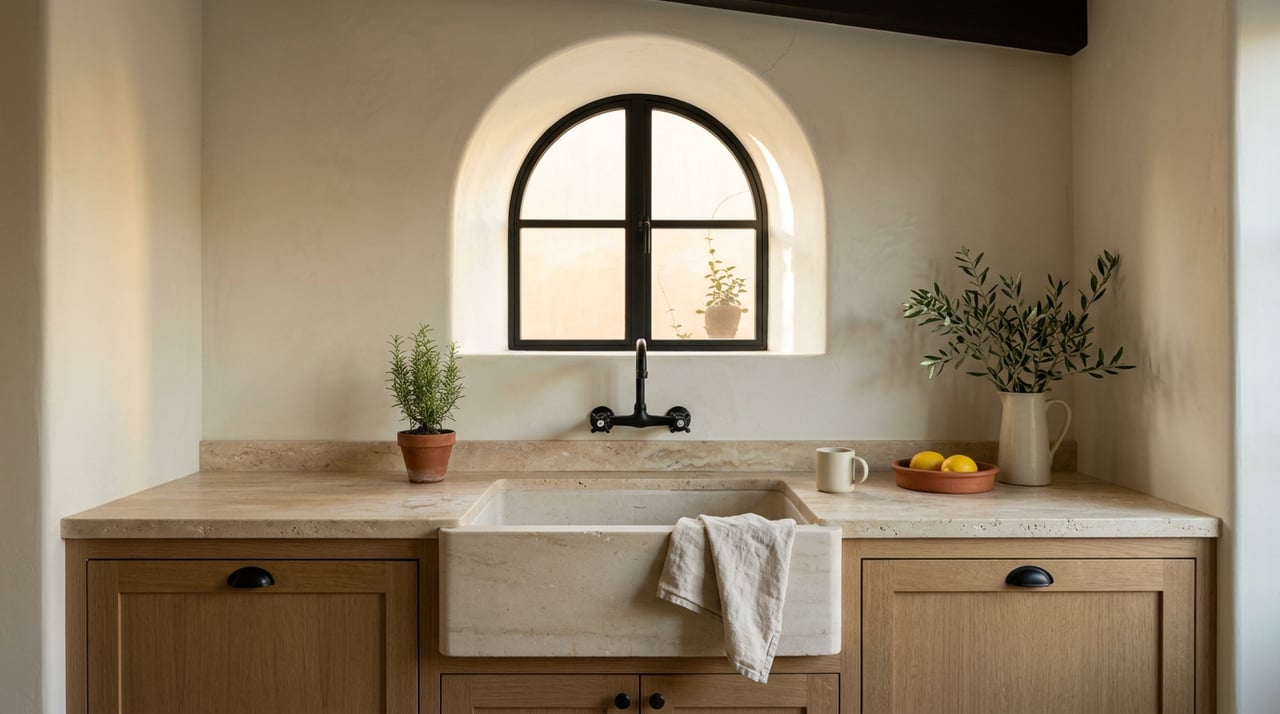
- Arched doors and windows, wrought-iron accents, carved wood doors
- Decorative tile at stair risers and fireplaces, plaster interiors, occasional exposed beams
Typical floor plan
- Often one or one-and-a-half stories with asymmetrical massing
- Traditional sequence of living to dining to kitchen with smaller bedroom wings
- Courtyards and patios support indoor-outdoor living, with generally smaller window openings
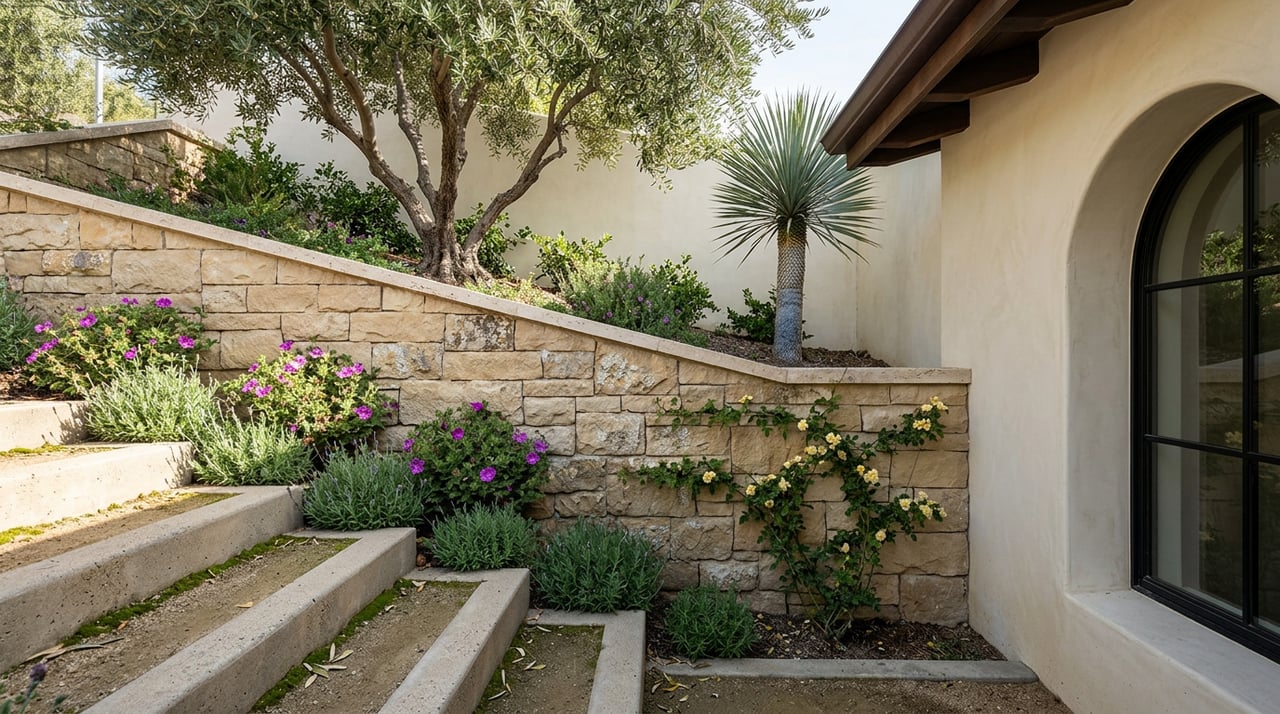
- On hillsides, expect stepped levels and terraced yards
Renovation notes
- Clay tile roofs are durable but heavy. Re-roofing often needs structural review and careful tile matching on visible areas.
- Stucco cracks and flashing issues are common. Correct repairs and waterproofing details matter to prevent moisture problems.
- Original wood casement windows are often single-pane. Refurbish and consider interior storm glazing to improve comfort while keeping character.
- Decorative tile, plaster, and millwork are worth preserving and may add cost. Ask about original materials and any undocumented changes.
- Older masonry chimneys and hillside siting may require seismic and geotechnical evaluation.
Mid-Century Modern: light, lines, and flow
Key visual cues
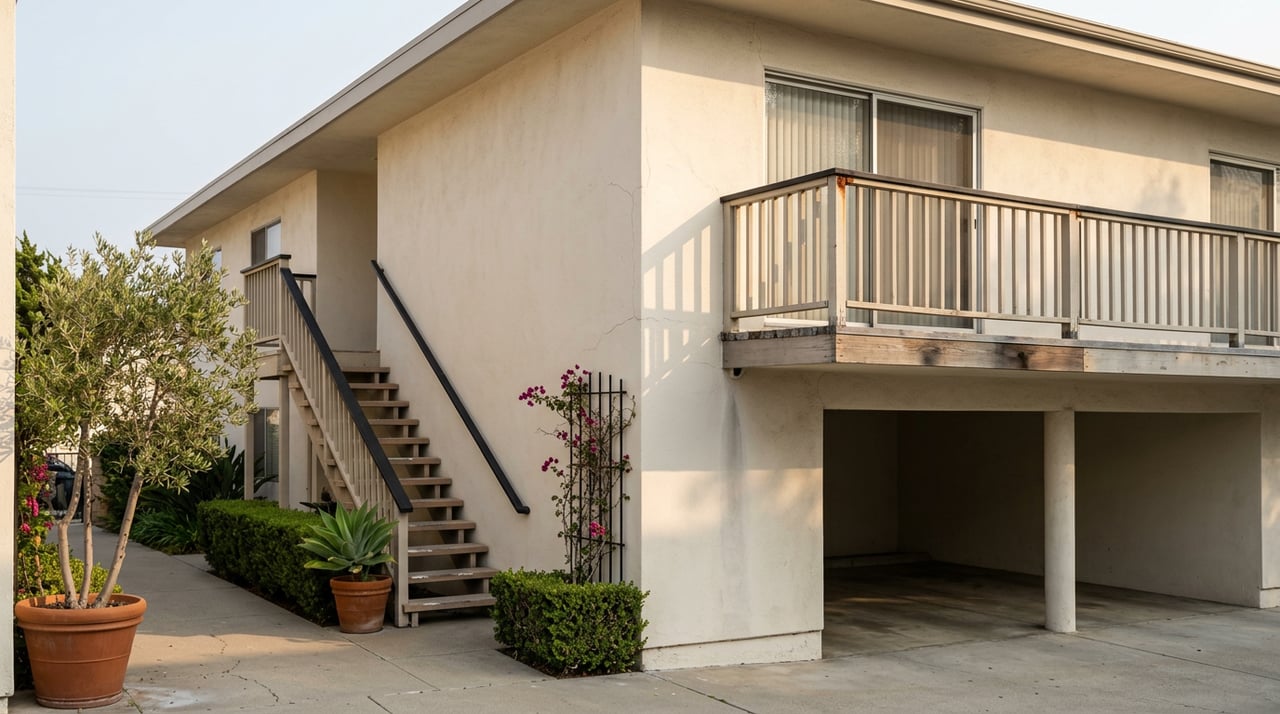
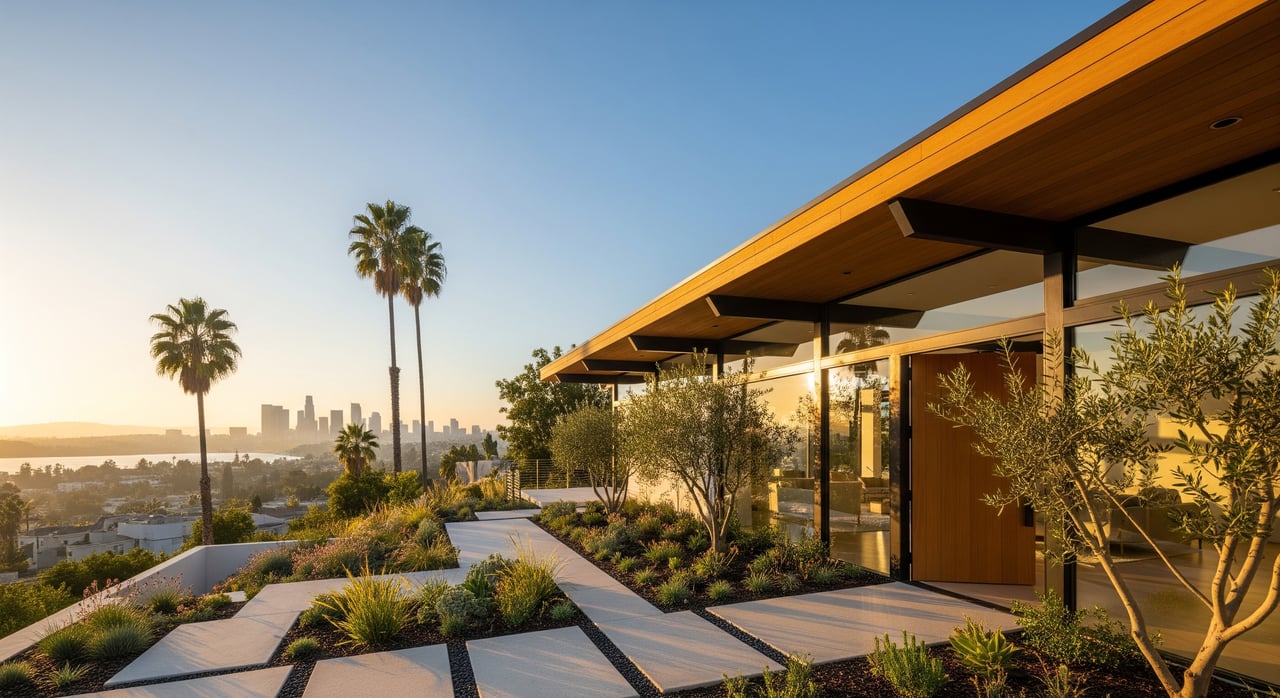
- Low-sloped or flat roofs with wide eaves and strong horizontal lines
- Large glass areas, clerestory windows, and sliders to patios
- Post-and-beam structure, built-ins, and minimal ornamentation
Typical floor plan
- Single-story or split-level with open living, dining, and kitchen zones
- Seamless indoor-outdoor connection to terraces, pools, and views
- In Silver Lake, glazing often frames vistas with privacy screens toward neighbors
Renovation notes
- Original single-pane glass provides authenticity but poor insulation. Upgrades should respect thin sightlines and mullions.
- Low-slope roofing needs careful drainage design and membrane work.
- Some postwar materials may contain asbestos, and older paint may contain lead. Plan for testing and abatement where needed.
- Updating kitchens, HVAC, and lighting while keeping open volumes and built-ins often requires custom solutions.
- Slender beams and cantilevers on hillside homes merit structural assessment.
Modern and contemporary: crisp lines, custom systems
Key visual cues
- Clean geometry with flat or angular roofs and mixed materials like concrete, steel, glass, and wood
- Expansive glazing, minimal trim, rooftop decks, and concealed garages
- Open interiors with integrated lighting and high-performance systems
Typical floor plan
- Multi-level footprints that optimize views and privacy on small or sloped lots
- Vertical circulation with feature staircases
- Patios, balconies, and courtyards extend living spaces
Renovation notes
- Contemporary additions or exterior changes may need discretionary reviews. Confirm any HPOZ or local restrictions early.
- Hillside engineering for cantilevers, retaining walls, and drainage can drive budgets more than finishes.
- Integrating HVAC, EV charging, and solar is often straightforward but can be costly in retrofits.
- Expect unique maintenance for steel, concrete, and large glass assemblies.
Craftsman and bungalow: warmth and detail
Key visual cues
- Low-pitched gables, wide eaves, exposed rafters, and decorative brackets
- Deep porches with tapered columns, wood or shingle siding
- Built-in cabinetry, wood trim, a central fireplace, and original hardwood floors
Typical floor plan
- Compact footprints, often one to one-and-a-half stories with 2 to 3 bedrooms
- Defined rooms rather than a large open plan, with living at the front and kitchen at the rear
Renovation notes
- Preserve built-ins and millwork whenever possible. Replication is possible but can be costly.
- Original double-hung wood windows often need repair or proportionally accurate replacements.
- Electrical, plumbing, and insulation upgrades are common. Conceal new work without losing trim details.
- Narrow halls and smaller baths may require creative reconfiguration.
Quick touring checklist: name what you love
Use these fast cues to call style and priorities on the spot:
- Roof shape and material
- Red clay tile or arched entries → Spanish.
- Low-sloped or flat with wide eaves → Mid‑Century or Modern.
- Prominent gable with rafters and a front porch → Craftsman.
- Walls and cladding
- Smooth stucco → Spanish.
- Wood siding or shingles → Craftsman.
- Concrete, steel, and glass planes → Modern.
- Windows and glazing
- Small grouped windows or wood casements with divided panes → Spanish or Craftsman.
- Large sliders, clerestories, floor-to-ceiling glass → Mid‑Century or Modern.
- Interior details
- Built-ins, natural wood trim, fireplace centered in living room → Craftsman.
- Post-and-beam, terrazzo, strong indoor-outdoor flow → Mid‑Century.
- Tilework, arched niches, carved doors → Spanish.
- Minimal trim, concrete floors, dramatic stair → Modern.
- Layout and flow
- Series of smaller rooms with a courtyard focus → Spanish.
- Open living-dining-kitchen zones → Mid‑Century or Modern.
- Distinct rooms with built-ins → Craftsman.
If you spot a detail you love, note it and ask whether it is original and if there are early photos. Original features often carry the most value.
Renovation planning: what to do first
- Confirm zoning and any HPOZ status with the City of Los Angeles Office of Historic Resources and the Department of Building and Safety.
- Order a thorough home inspection, plus specialized hillside, geotechnical, and termite reports.
- Request the seller’s permit history for past work. Unpermitted work can delay timelines and add costs.
- Budget in buckets:
- Structural and geotechnical items for hillside properties
- Envelope upgrades like roofing, windows, and stucco repair
- Systems such as electrical, HVAC, water heaters, and sewer laterals
- Preservation work for tile, plaster, built-ins, and historic finishes
- If period character matters, hire pros with historic restoration and local permitting experience.
- Consider long-term upgrades like solar-ready roofs, EV charging, added insulation, and seismic retrofit for comfort and resale.
Smart trade-offs to weigh
- Character vs convenience. Original windows and built-ins add charm and value but can limit layout changes and increase restoration costs.
- Light and views vs privacy. Large glass boosts views yet can reduce privacy and increase cooling loads.
- Upfront cost vs long-term value. Drainage, retaining walls, and geotechnical work are expensive but protect property and equity.
- Authenticity vs modernization. When possible, use reversible changes. Interior storm glazing and careful millwork repairs protect style and future resale.
Ready to tour Silver Lake homes?
Whether you lean Spanish, Mid‑Century, Modern, or Craftsman, the right strategy starts with clarity on layout, condition, and permits. If you want a design-forward search with proactive inspection planning and renovation-savvy guidance, let’s talk. Work with a boutique advisor backed by global reach and on-the-ground experience across Los Angeles. Connect with Kati Cattaneo to get started.
FAQs
Can I add a second story in Silver Lake?
- Possibly. Check for HPOZ status, local planning rules, slope conditions, and required geotechnical and grading permits before assuming an addition is feasible.
What renovation costs should I expect for Silver Lake homes?
- Costs vary. Cosmetic updates are typically low to moderate, systems and windows moderate, and structural, hillside, large additions, or tile re-roofing high. Budget extra for older and hillside homes.
Are hazardous materials common in older Los Angeles homes?
- They can be. Pre-1978 paint may contain lead, and some postwar materials may contain asbestos. A qualified inspector should test and outline any abatement.
How do I improve energy efficiency without losing character?
- Combine targeted insulation and HVAC upgrades with strategies like refurbishing original windows and adding interior storm glazing to keep authentic proportions.
What should I prioritize during inspections in Silver Lake?
- Focus on structure and foundation, roofing and flashing, drainage and retaining walls, termite and pest, electrical capacity and wiring type, plumbing materials, and the presence of asbestos or lead.