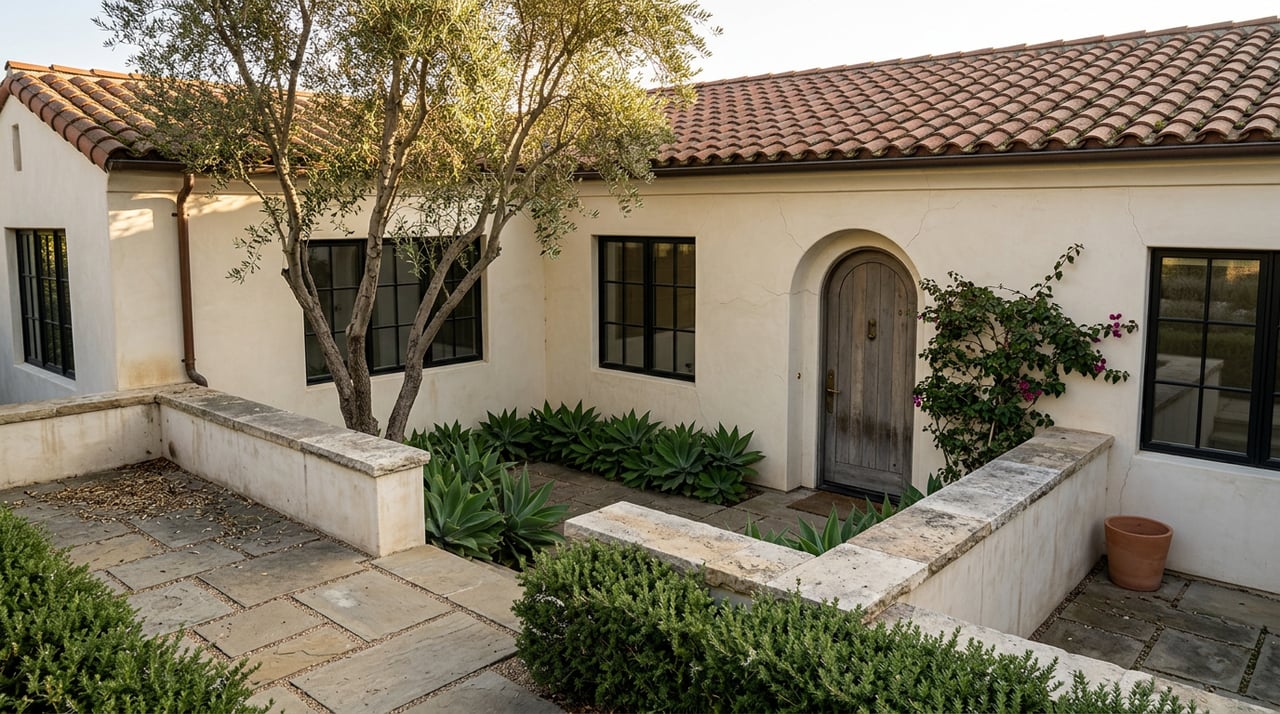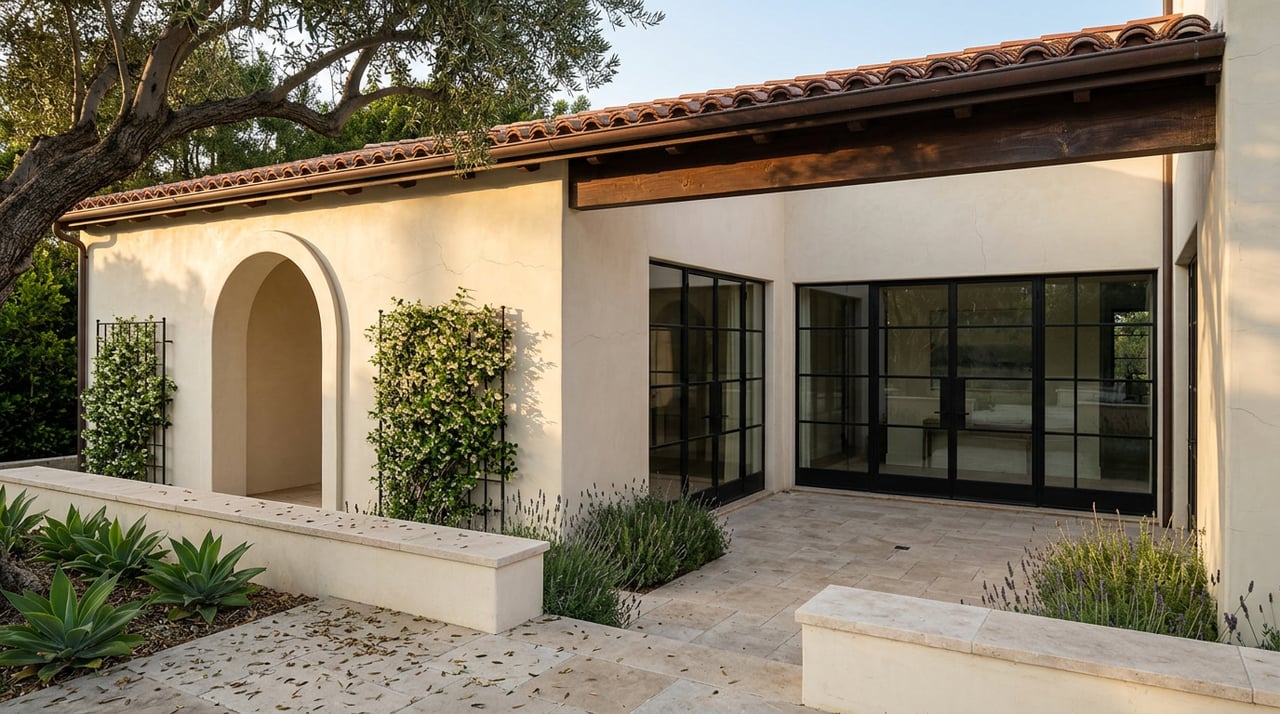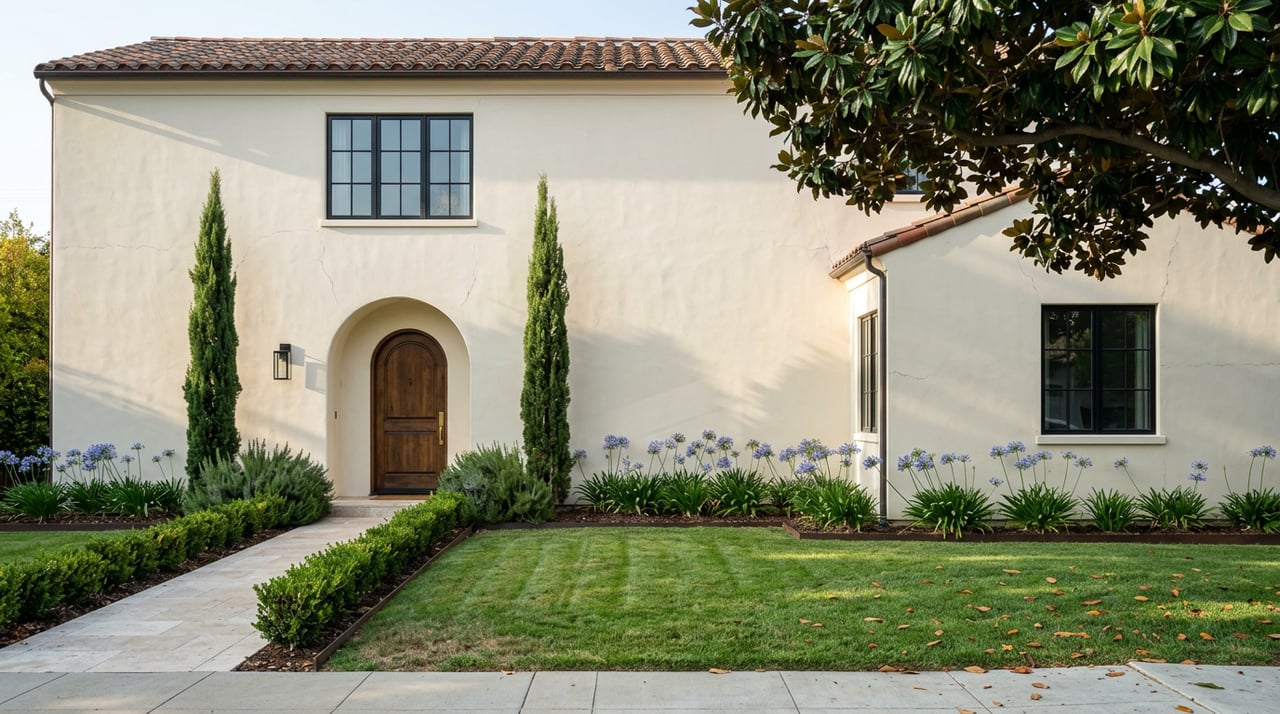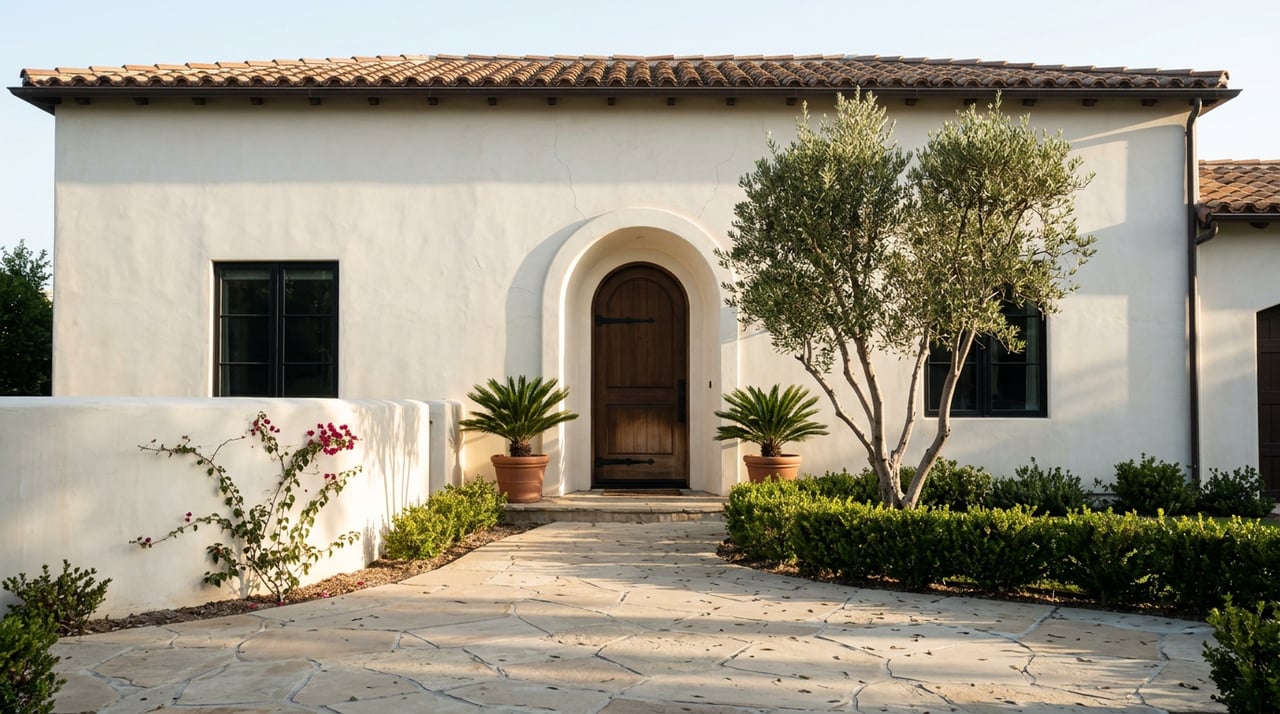
Picture two nearly identical houses in Santa Monica, both closing escrow the same month. One sells for $7,900,000. The other sells for $8,100,000, a full $200,000 more. On paper, the second seller did better. At the closing table, the second seller actually walks away with roughly $206,000 less.
That is not a typo, and it is not bad math on somebody's part. It is Measure GS, the city's transfer tax on high-value real estate, doing exactly what its cliff-shaped design was built to do. If you are pricing a Santa Monica home anywhere near eight figures, or buying one from a seller who is, the mechanics of this tax matter more than almost anything else in the transaction, and most explanations of it stop at the tax rate instead of the behavior it produces.
A Bracket That Isn't a Bracket
Most people hear "tax bracket" and assume the higher rate only applies to the money above the line, the way federal income tax works. Measure GS does not work that way. Voters approved it in November 2022, and it took effect March 1, 2023, adding a third tier to Santa Monica's existing documentary transfer tax. Sales under $5 million pay 0.3 percent to the city. Sales from $5 million up to $7,999,999 pay 0.6 percent. The moment a sale reaches $8,000,000, the rate jumps to 5.6 percent, and that rate applies to the entire purchase price, not just the portion above the threshold.
The city's own ballot argument in favor was blunt about the intent, framing it as a tax that would hit "sales of real estate worth $8 million or more" to fund homelessness prevention, affordable housing, and local schools. What the campaign language does not spell out is how a flat cliff, rather than a marginal bracket, changes what a rational seller does with their asking price once their home's value starts drifting toward that number.
What Crossing the Line Actually Costs
The city tax alone, before you add the standard county and state transfer taxes that apply everywhere in Los Angeles County, looks like this at the threshold:
| Sale Price | City Tax Tier | City Tax Owed | What It Means |
|---|---|---|---|
| $7,900,000 | 0.6% | about $47,400 | Below the line |
| $8,000,000 | 5.6% (full price) | about $448,000 | The cliff |
| $8,100,000 | 5.6% (full price) | about $453,600 | $200,000 higher sale, $206,000 lower net |
That last row is the one that changes behavior. A seller whose comparative market analysis suggests a home is worth somewhere between $8.0 million and $8.4 million is, in almost every case, better off listing at $7,995,000 than chasing the higher number. The math only breaks even again somewhere north of $8.45 million, meaning there is a real band of value, roughly $8.0 million to $8.45 million, where selling for "true market value" costs the seller money compared to intentionally underselling.
Not Every Address Feels the Cliff the Same Way
Santa Monica is not one market, and Measure GS does not land evenly across it.
- North of Montana (zip 90402) is where the threshold stops being abstract. Single-family sales here routinely span $4 million into the low eight figures, and inventory has been tight enough that well-presented, turnkey listings in spring 2026 carried around 1.8 months of supply, with fast movers going to escrow in about 19 days. When a neighborhood's ordinary comps already sit within striking distance of $8 million, the tax stops being a luxury footnote and starts functioning as a soft ceiling on what sellers ask and what buyers expect to pay.
- Sunset Park (zip 90405), by contrast, is largely insulated on the single-family side. Median prices there were closer to $2.5 million in early 2026, nowhere near the threshold, buoyed in part by demand for flat, lower-density lots and by the city's plan to eventually convert Santa Monica Airport land into public parkland nearby. The exposure in Sunset Park shows up somewhere else: multifamily buildings. A modest ten-unit apartment property can cross $8 million without much trouble, which means the Measure GS conversation in this part of the city is happening at the landlord and investor level, not the homeowner level.
- Commercial corridors and multi-unit assets citywide, from retail space along the Third Street Promenade to office buildings in the Media District, are fully within scope. The measure does not distinguish between a single-family estate and a commercial parcel once the price clears $8 million.
The Mansion Tax Mix-Up
Buyers relocating from elsewhere in Los Angeles often assume the "mansion tax" they read about applies uniformly across the county. It does not. Los Angeles City's version, Measure ULA, uses entirely different numbers: a 4 percent surtax above $5.4 million and 5.5 percent above $10.9 million for transactions closing after June 30, 2026, layered on top of the city's own 0.45 percent base transfer tax. More importantly, ULA only reaches property inside Los Angeles city limits. Santa Monica, along with Beverly Hills, Malibu, and Pasadena, is a separately incorporated city, so Measure ULA does not apply there at all. Santa Monica set its own rate, its own threshold, and its own rules through Measure GS, and the two taxes should never be confused when pricing a sale or budgeting for one.
What's Actually Still Moving in 2026
Measure GS has no expiration date and no inflation adjustment built into its $8 million threshold, meaning the line stays fixed even as prices around it move. But the measure itself is not sitting untouched.
Reporting from February 2026 flagged that a statewide ballot measure circulating this year could limit local governments' authority to levy transfer taxes like this one, putting the roughly $50 million a year Measure GS was projected to raise at risk. Actual collections have run well below that early projection, closer to $17 million in the measure's first year, according to reporting tied to the city's own transfer tax filings. Separately, a proposed initiative that would exempt multifamily buildings from the third tier, backed by former Mayor Pam O'Connor, has drawn support from some who backed the original measure and opposition from others who see it as an attempt to undo a settled vote. As of this writing, that exemption has not qualified for a ballot.
None of this changes what a seller owes today. It does mean anyone timing a sale near the $8 million line should treat the rate as current as of the day escrow closes, not the day they first read about it.
The Quiet Effect on Comps Above the Line
Here is the part of Measure GS that rarely gets discussed. If enough sellers with homes worth $8.0 million to $8.4 million are pricing at $7,995,000 to stay under the cliff, and enough sellers with homes worth more than that are structuring around the tax however they can, the pool of actual closed sales sitting just above $8 million thins out. Fewer transactions happening in that band means fewer clean comps for anyone else trying to price a home that genuinely belongs there. A tax built to capture value at the top of the market can end up making the top of the market harder to read accurately, simply because it changes where sellers choose to transact rather than where their homes would otherwise land.
Before You Price Near the Line
If a home's likely value sits anywhere between $7.5 million and $8.5 million, a few questions are worth working through before a listing goes live:
- Does the CMA suggest a number close enough to $8 million that pricing just under the line, rather than at perceived market value, changes the net outcome?
- Is the buyer pool for this price point likely to negotiate the tax into the deal, and if so, how does that affect the asking price?
- Does the property qualify for any of Measure GS's narrow exemptions, such as a trust transfer with no change in beneficial ownership, before assuming the full rate applies?
A Few Direct Questions
Does Measure GS apply if I'm transferring property to a family member or into a trust? The city exempts a limited set of transfers, including those between spouses, transfers into a living trust where beneficial ownership doesn't change, and sales to qualified affordable housing nonprofits or community land trusts. A standard sale to a private buyer, including most family sales, generally does not qualify for those exemptions.
Can I split a sale into smaller pieces to stay under $8 million? The city aggregates the value of related transfers, so structuring one sale as two smaller transactions to dodge the threshold draws scrutiny and does not reliably avoid the tax.
Who actually pays the tax, the buyer or the seller? By local custom in Los Angeles County, the documentary transfer tax is treated as a seller cost, though the split is technically negotiable. At the $8 million-plus level, asking a buyer to absorb a bill that can run into the hundreds of thousands is uncommon.
Pricing a home anywhere near this threshold is not a spreadsheet exercise to finish alone the night before a listing goes live. It is a conversation that benefits from someone who has watched how Santa Monica comps actually behave under this tax, not just what the ordinance says on paper. Kati Cattaneo works these numbers with sellers and buyers across Santa Monica's Westside micro-markets every day. If a sale is anywhere close to that eight-million-dollar line, reach out before the number gets set.