Ever wonder why Silver Lake feels like a neighborhood you can experience, not just pass through? If you are thinking about living in this part of Los Angeles, it helps to understand what daily life actually looks like beyond the listing photos. From reservoir walks to hillside stair routes and independent coffee spots, here is what makes Silver Lake’s everyday rhythm stand out. Let’s dive in.
Reservoir Life Shapes the Day
One of Silver Lake’s most defining lifestyle features is the Silver Lake Reservoir Complex. While it remains an LADWP water operations facility, the open water and surrounding spaces were intentionally retained as a community amenity. That balance gives the area a rare mix of infrastructure, open space, and neighborhood routine.
The perimeter path is part of many residents’ daily flow. According to the city’s master plan analysis, people use it for strolling, dog walking, and running on a regular basis. It is the kind of place that can anchor a morning walk, an afternoon reset, or an easy weekend outing.
Inside the complex, the Meadow adds a flexible outdoor space that supports a range of casual uses. The 3.4-acre lawn is used for relaxing, picnicking, walking, running, exercise, and lawn games. That variety helps explain why the reservoir area feels active without feeling overly programmed.
If you have a dog, the 1.5-acre dog park is another practical everyday draw. It includes separate areas for small and large dogs, which adds convenience for pet owners looking for a routine stop close to home. In a neighborhood known for its hills, that kind of easy-access open space matters.
Why the Reservoir Matters
The reservoir is not just a scenic backdrop. It shapes how people spend time in the neighborhood and how different parts of Silver Lake connect through daily movement. When a walk, coffee stop, and casual meet-up can happen in the same area, the neighborhood tends to feel more livable day to day.
LADWP’s long-term planning also points to the reservoir area staying central to Silver Lake life. The master plan aims to balance historic character, community gathering use, and operational needs. For anyone considering a move, that signals lasting value in one of the area’s most recognizable public spaces.
Recreation Options Go Beyond the Walk
Silver Lake’s outdoor lifestyle is not limited to the reservoir loop. The Silver Lake Recreation Center at 1850 W. Silver Lake Dr. expands the neighborhood’s day-to-day activity options with sports, cultural programming, and general-use amenities.
Programs listed by Los Angeles Parks include basketball, baseball, softball, soccer futsal, fitness exercise, volleyball, flag football, arts and crafts, camps, tutoring, and cooking. The center also includes a playground, community room, indoor gym, picnic tables, a multipurpose sports field, and an outdoor basketball court. For residents, that means there is more than one way to build routine into the neighborhood.
This variety is especially useful if you want a neighborhood that supports both active time and casual downtime. You can start with a reservoir walk, head to the recreation center, and still keep the day local. That kind of layering is part of what gives Silver Lake its strong lifestyle identity.
Hills, Staircases, and Scenic Streets
Silver Lake’s streetscape feels different from flatter parts of Los Angeles, and the hills are a big reason why. The City of Los Angeles historic report describes the area as having curvilinear streets that follow the contours of the hills. That terrain shapes both how the neighborhood looks and how you move through it.
Public staircases are another distinctive feature. The historic report notes seven public staircases in the district, which supplement circulation and add a pedestrian element that many buyers find memorable. These routes are not just practical. They also help make everyday walks feel more visual and more connected to the landscape.
One of the best-known examples is the Micheltorena Silver Lake Stairs. With 177 steps and landscaped segments, it has become a familiar walking route in the neighborhood. If you like a lifestyle that includes scenic exercise without needing to drive somewhere first, this is part of Silver Lake’s appeal.
What the Street Layout Feels Like
Silver Lake’s hills and curves create a more layered experience than a simple grid. A short walk can include changing views, stair paths, and architecture that reveals itself gradually. That gives the neighborhood a sense of discovery that many people notice right away.
For homebuyers, this also means block-to-block character can vary quite a bit. Some streets feel tucked away and residential, while others connect more directly to retail and café activity. Understanding that rhythm can be helpful when deciding which pocket best fits your routine.
Coffee, Lunch, and Retail Feel Local
Silver Lake is widely recognized for its art, music, dining, and retail energy, and that shows up in everyday life. Discover Los Angeles highlights Sunset Junction as a retail hub, with Mohawk General Store as one of the area’s recognizable shopping anchors. In practical terms, this creates the kind of neighborhood where browsing can be part of a normal afternoon.
For coffee and casual daytime stops, there are several well-known options. Intelligentsia Coffee on Sunset offers outdoor dining, while Broome Street General Store combines a store and café with shaded seating, coffee, pastries, and sandwiches. Café Tropical adds a longtime Sunset Boulevard presence with a morning-and-midday rhythm.
What stands out is not just the names themselves, but the pattern they create. The area’s mix leans toward smaller independent businesses rather than large commercial chains. That helps Silver Lake feel walkable in a lifestyle sense, even when the terrain itself is hilly.
A Neighborhood Built for Lingering
Some neighborhoods are good for errands. Silver Lake is often better for a slower pace where one stop turns into three. You might grab coffee, browse a boutique, and then continue on to a walk or casual meal without needing a tightly planned itinerary.
That is a meaningful lifestyle factor if you are choosing where to live in Los Angeles. A neighborhood that supports spontaneous, local routines often feels more personal over time. In Silver Lake, that everyday ease is part of the draw.
Design and Architecture Are Part of Daily Life
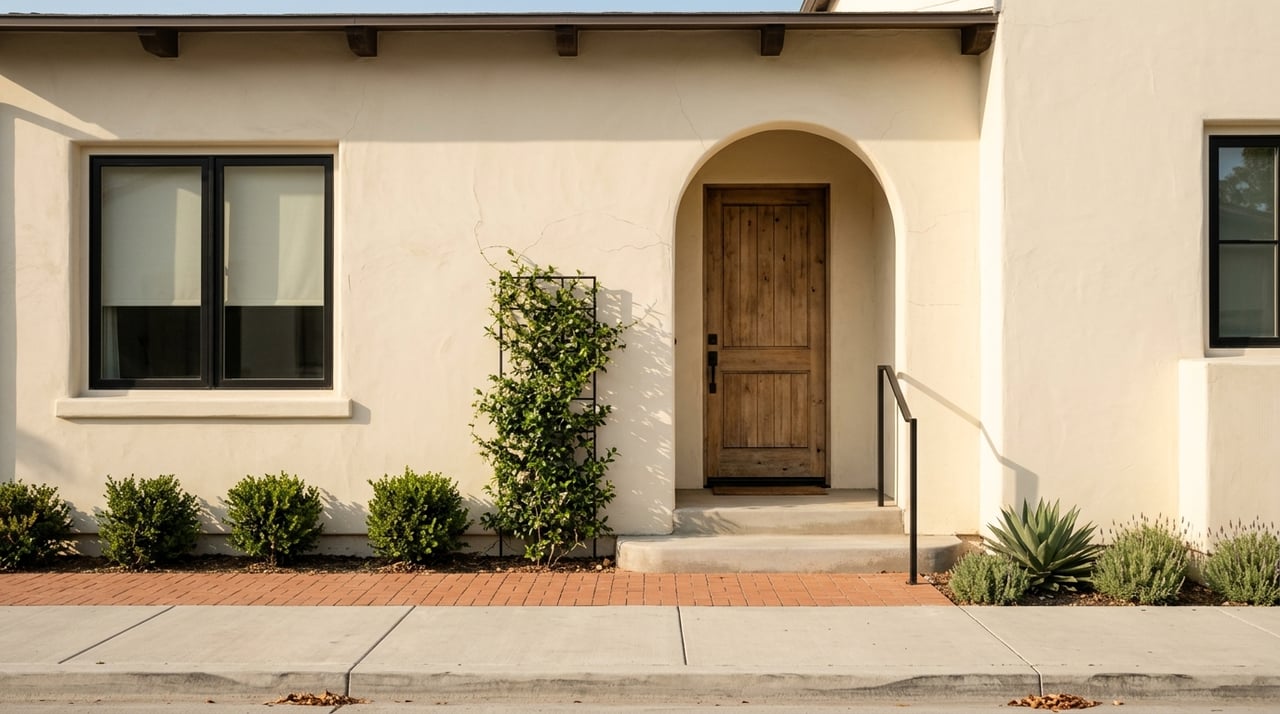
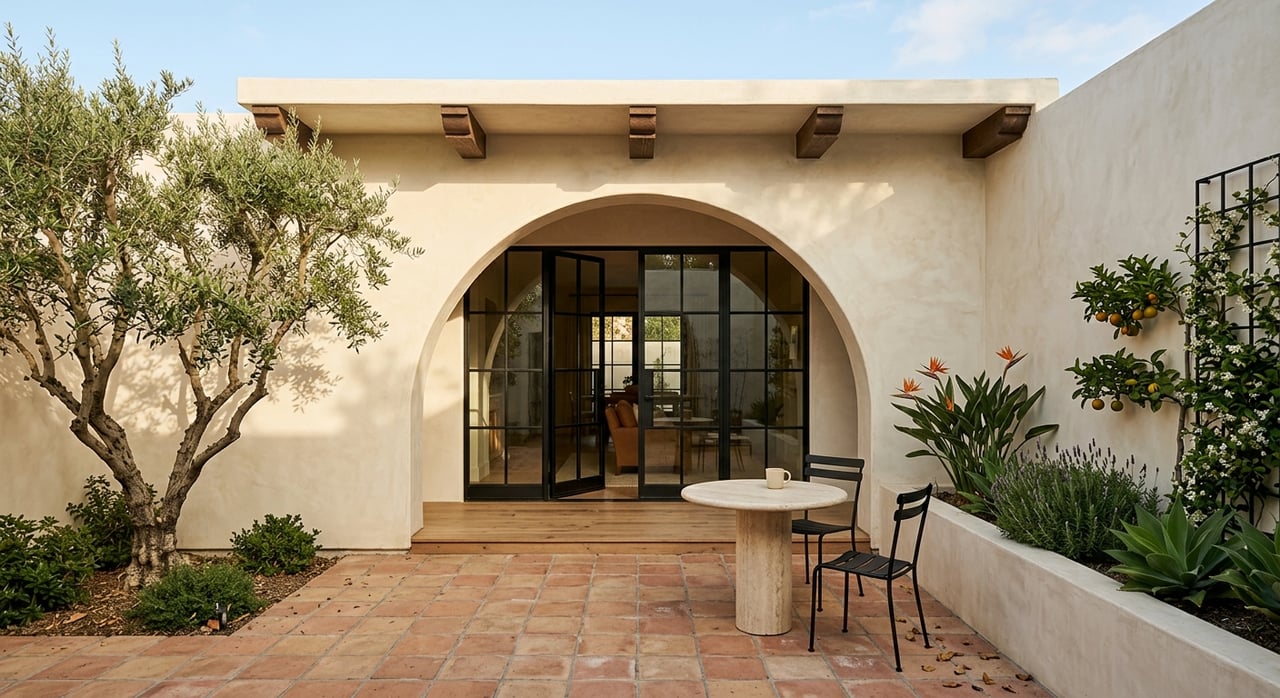
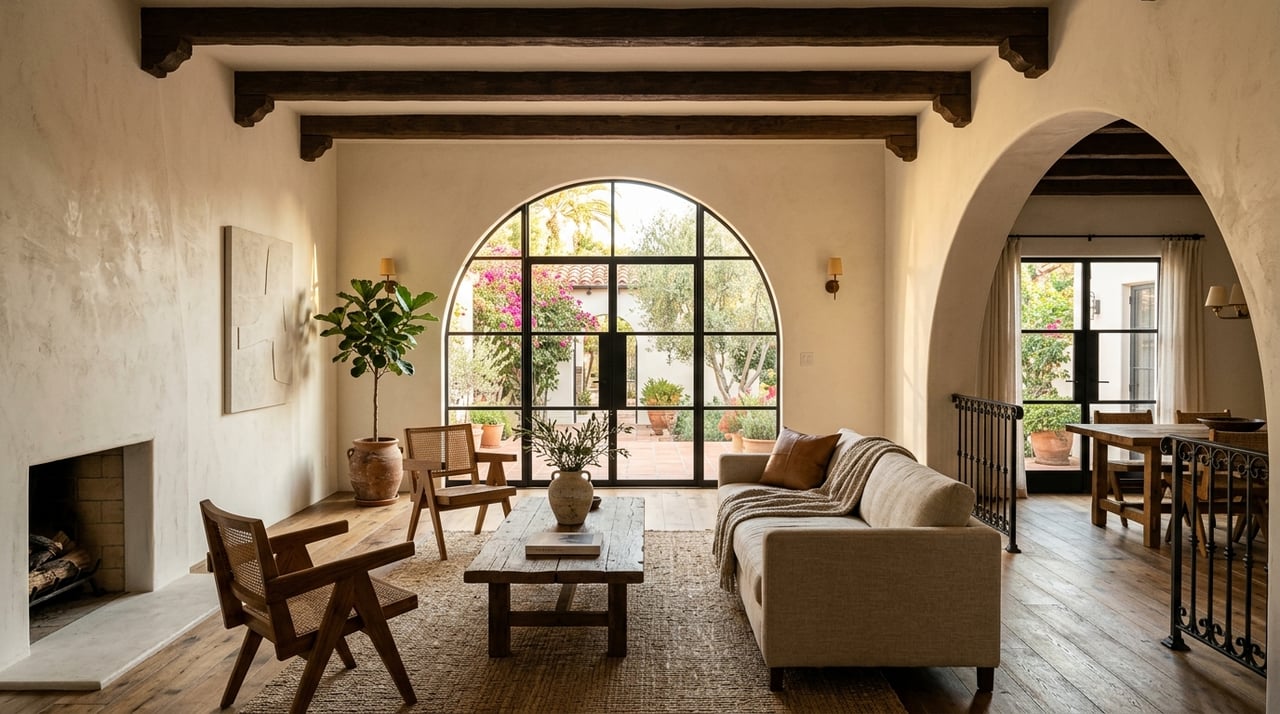
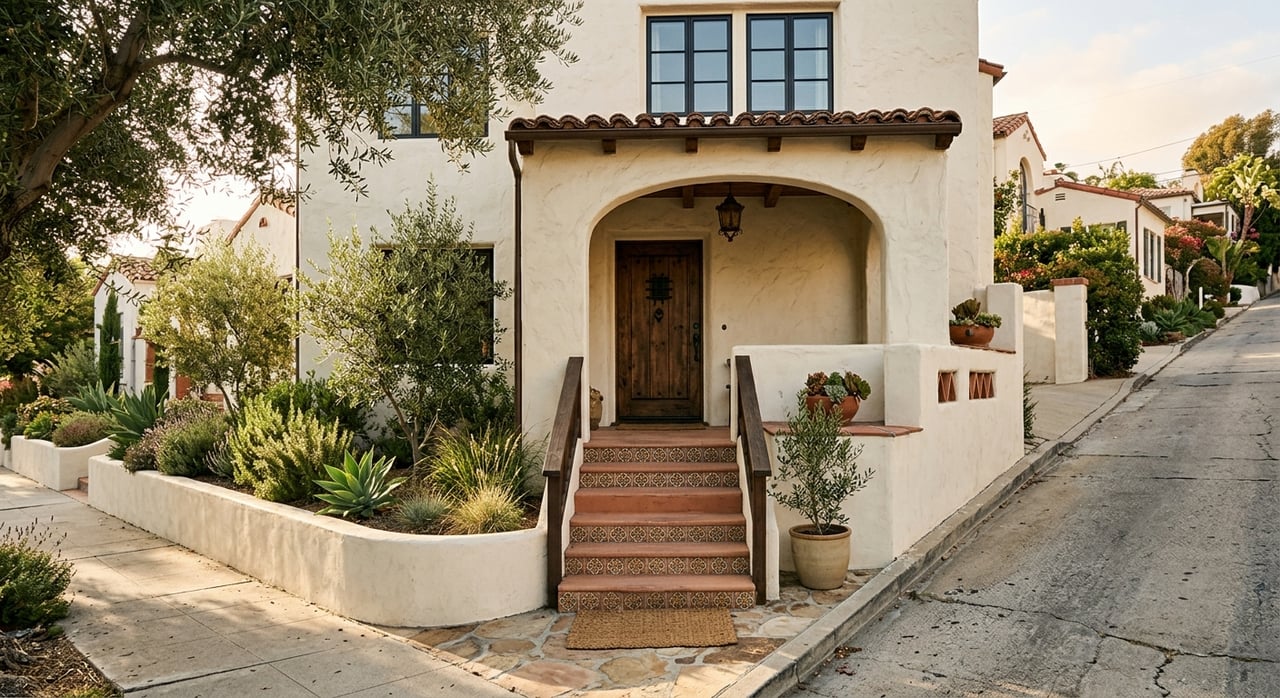
Silver Lake’s architectural character is one of the area’s most lasting strengths. The City of Los Angeles identifies the Silver Lake Residential Historic District as significant for its concentration of Period Revival and Mid-Century Modern architecture. Many homes from the 1920s and 1930s are Tudor Revival or Spanish Colonial Revival, adding depth to the neighborhood’s visual identity.
The hillside setting also makes architecture more noticeable in everyday life. Homes sit along curving streets, stair routes, and elevated parcels, which means design often becomes part of the scenery during an ordinary walk. In Silver Lake, architecture is not tucked away from daily experience. It is woven into it.
The LA Conservancy points to landmark homes that reflect this range. Richard Neutra’s VDL Research House II sits near the east edge of the reservoir and uses International Style design to bring nature indoors while preserving privacy. Gregory Ain’s Tierman House on Micheltorena Street was designed to maximize views, while John Lautner’s Silvertop is known for its curved concrete roof and reservoir-facing vista.
Micheltorena Street is especially notable for design-focused buyers. According to the LA Conservancy, it offers an unusually rich array of Modernist home designs, including work by Rudolph Schindler, Harwell Hamilton Harris, John Lautner, and Gregory Ain. Even if you are not an architecture expert, that concentration contributes to the neighborhood’s strong sense of place.
Why Silver Lake Has Such a Strong Following
Silver Lake’s reputation did not appear overnight. Discover Los Angeles notes that Walt Disney’s first large studio operated there from 1925 to 1939, and the neighborhood is still described as a creative mecca with strong arts, dining, and retail energy. That long creative history continues to influence how people experience the area today.
What makes Silver Lake especially compelling is how many lifestyle elements fit into one afternoon. You can take a reservoir walk, stop for coffee, browse independent retail, and wander a hillside street with architecturally distinct homes. That combination is hard to replicate, and it helps explain the neighborhood’s lasting appeal.
For buyers, that means Silver Lake offers more than a single headline feature. Its value comes from the overlap of open space, daily convenience, visual character, and a locally rooted retail scene. If you are drawn to neighborhoods that feel expressive, active, and design-aware, Silver Lake earns its reputation.
If you are exploring Silver Lake or comparing it with other Los Angeles neighborhoods, working with a local advisor can help you match the area’s lifestyle to the right property and block. To start that conversation, connect with Kati Cattaneo.
FAQs
What is everyday outdoor life like in Silver Lake?
- Everyday outdoor life in Silver Lake often centers on the Silver Lake Reservoir Complex, including the perimeter path, the Meadow, the dog park, and nearby recreation options at the Silver Lake Recreation Center.
What kinds of coffee shops and retail define Silver Lake?
- Silver Lake is known for independent coffee shops, casual cafés, boutiques, and specialty retail, especially around Sunset Junction and along Sunset Boulevard.
What makes Silver Lake’s streets feel different from other Los Angeles neighborhoods?
- Silver Lake’s hills, curving streets, and public staircases create a more layered pedestrian experience than a typical flat street grid.
What architectural styles are common in Silver Lake?
- The area is known for Period Revival and Mid-Century Modern architecture, with many Tudor Revival and Spanish Colonial Revival homes from the 1920s and 1930s.
Why do so many buyers stay interested in Silver Lake?
- Buyers are often drawn to Silver Lake because it combines open space, independent retail, design character, and a creative neighborhood identity in a way that supports daily lifestyle as well as long-term appeal.